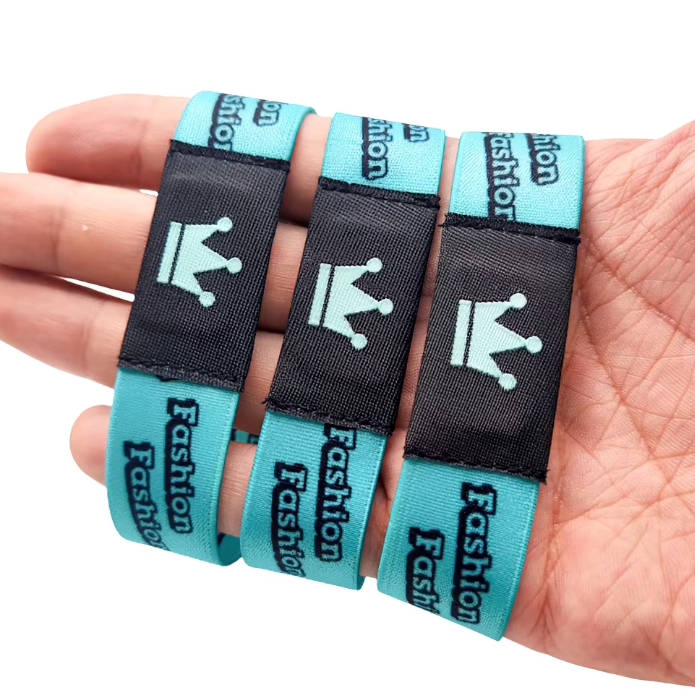
The Race Where Wristbands Kept Falling Off
I once helped a friend train for a half marathon. She wore a standard fabric wristband from a previous race, the kind with an adhesive closure that does not stretch. About six miles into a long run, the band started slipping down her arm. Sweat made the fabric loose. She kept pushing it back up, annoyed. By mile ten, she took it off and stuffed it in her pocket. That was a failed wristband. Later, I gave her an elastic silicone band with her name printed on it. She wore it through a full marathon, two half marathons, and a dozen training runs. It never slipped, never chafed, and stayed perfectly in place. That experience taught me: for sports, elasticity is not a luxury. It is a requirement.
Stretch That Moves With You, Not Against You
During exercise, your body changes. Blood flow increases to muscles, and your wrists can swell slightly. Research in sports biomechanics shows that wrist circumference can increase by 0.5 to 1 centimeter during intense activity like running, cycling, or weightlifting. A non elastic wristband has a fixed size. If it fits at rest, it becomes too tight during exercise, cutting off circulation or causing discomfort. If it is loose at rest, it slides around when you sweat. An elastic wristband solves this perfectly. It stretches with your wrist, maintaining gentle, constant contact without constricting. When your wrist returns to normal size, the band contracts back. This dynamic fit means you put it on once and forget about it. For any sport that involves arm movement, from tennis to basketball to swimming, elasticity is the difference between a functional identification tool and an annoying distraction.
No Pinching, No Chafing, Just a Gentle Hold
Comfort matters even more when you wear a wristband for hours. Cheap plastic or vinyl bands often have sharp edges or rough seams. They trap sweat underneath, leading to skin irritation or even a rash. I have seen runners with red, itchy marks after wearing a poor quality band for a 10K. Elastic wristbands made from soft silicone or knit elastic fabric are different. Silicone is hypoallergenic and has a smooth surface. It does not absorb sweat, so bacteria do not grow. Knit elastic bands are breathable, allowing air to reach the skin. Dermatologists often recommend soft, stretchable, non porous materials for prolonged wear during physical activity. An elastic band stays put without digging into your skin. You do not have to adjust it mid race. For a marathoner or a triathlete, reducing distractions is a performance gain.
Surviving Mud Runs, Pool Swims, and Summer Heat
Sports are tough on gear. Think about a mud run: hours of crawling through wet dirt, then hosing off. A paper or Tyvek wristband would disintegrate. A fabric band with a metal clip might rust. An elastic silicone wristband? You rinse it under a tap and it looks like new. Think about a pool swim: chlorine water and constant arm movement. Non elastic bands can absorb water, become heavy, and smell. Elastic silicone is waterproof, dries instantly, and resists chlorine damage. Think about a beach volleyball tournament: sun, sand, and sweat. UV rays degrade many materials, but high quality elastic silicone retains its color and stretch. I remember a triathlon organizer who switched from non elastic to elastic wristbands for participant identification. Complaints dropped by 80%. Athletes appreciated that they could swim, bike, and run without worrying about their band falling off or getting ruined. For any outdoor or water based sport, durability is key, and elastic wins.
From Gym Classes to Ironman Competitions
Different sports have different needs, but elastic wristbands work across almost all of them. For a yoga class, a non elastic band with a metal buckle would dig into the wrist during downward dog. A soft elastic band is barely noticeable. For a soccer tournament, teams use colored elastic wristbands to tell players apart at a glance. The bands do not snag on jerseys or get pulled during tackles. For a running club, elastic bands are easy to put on and take off, no tools or adjustments needed. For an adventure race or an Ironman, many organizers embed RFID chips into silicone wristbands. The elastic keeps the chip pressed against the skin for consistent scanning, even when wet or muddy. The website of VIBBON mentions a news article: “Elastic Wristbands: The Rising Star in Accessory Markets.” That is not marketing hype. It reflects a real trend. Athletes and event organizers have discovered that elastic is simply better for active use. It adapts, it lasts, and it stays comfortable.
Custom Elastic Wristbands From a Specialist Maker
So if you are organizing a sports event, managing a team, or just want a reliable ID for your own training, choose elastic. Look for soft silicone or knit elastic materials. Make sure the band has no sharp edges. Consider custom printing your team logo, event name, or participant number. A manufacturer with real experience will guide you on the right thickness, length, and closure type. For example, VIBBON (Fuzhou Vibbon Handicraft) has been making wristbands for over 18 years. They produce medical and entertainment wristbands, including elastic types. They offer full customization: size, logo, material, packaging, accessories. Their own factory and complete supply chain guarantee price and quality. They have actual cases like cut out wristbands for a European tech firm, recycled fabric for eco brands, and 50,000 waterproof RFID bands for a US music festival. Their professional team works 24 hours to help with your order. Fast logistics get the wristbands to your event on time. For sports, elastic is the smart choice. Comfort, durability, and visibility all in one simple band. Once you try elastic, you will never go back to fixed size wristbands.