Elastic wristbands solve a problem rigid bands cannot
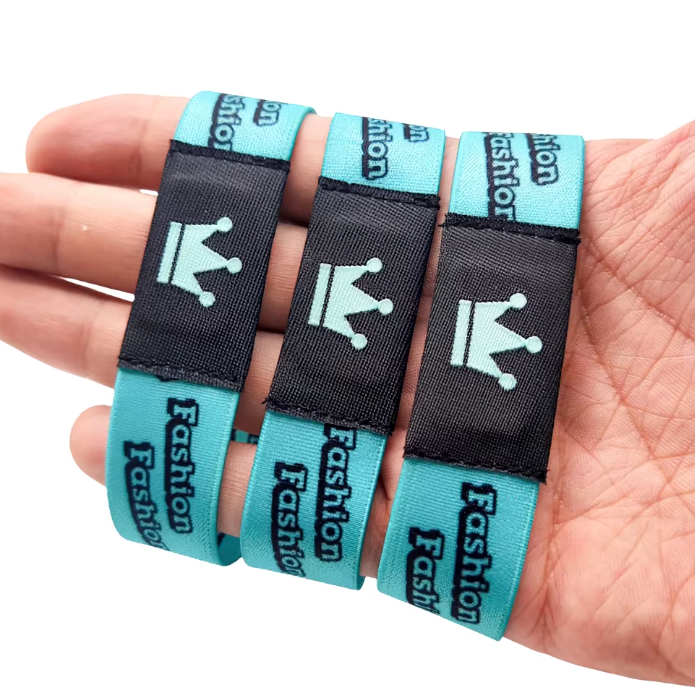
An elastic wristband looks simple, but in sports it solves a specific problem. Athletes move, sweat, grip, swim, and collide. A band that feels fine during registration may become a distraction by the second quarter. Elastic wristbands stretch with the wrist instead of fighting it. That matters for marathon corrals, youth soccer tournaments, gym check-ins, fan zones, and multi-day sports camps. The core value is reliable identification that stays comfortable while the body works hard.
Sporting events also have a sizing problem. Adult, youth, and child wrists show up at the same gate. Rigid bands require multiple sizes or awkward closures. A stretch band covers a wider range, which reduces sorting errors and leftover inventory. Fewer sizes mean faster packing and simpler volunteer training.
Comfort and fit matter more than most event planners admit
Moisture is the silent enemy of event wristbands. Sweat, sunscreen, pool water, and rain can break down paper or weak adhesive. Elastic textile bands are usually knitted from polyester and spandex, sometimes with rubber thread. The knit allows airflow and quick drying, while the stretch recovers after movement. Silicone bands can trap sweat. Vinyl and Tyvek bands are cheap for one-day use, yet they tear and become uncomfortable when wet.
The table below compares common sports wristband options. Data comes from typical supplier specifications and field feedback, not a single laboratory test.
|
Feature |
Elastic wristband |
Vinyl / Tyvek |
Silicone |
Woven with buckle |
|
Fit range |
High, stretches with wrist |
Low, fixed |
Medium, fixed |
Medium, adjustable |
|
Sweat behavior |
Quick dry, soft when damp |
Weakens, tears |
Waterproof, traps moisture |
Absorbs water |
|
Reuse |
15 to 40 washes |
Single use |
50+ wears |
20 to 30 washes |
|
Skin feel |
Soft, low pressure |
Edges scratch |
Firm, pulls hair |
Soft, bulkier |
|
Best sports use |
Running, training, camps |
Short races |
Gym, pool |
Multi-day VIP |
|
Typical unit cost |
$0.08 to $0.35 |
$0.03 to $0.12 |
$0.30 to $0.90 |
$0.35 to $1.20 |
The point is not that one option wins everywhere. Elastic wristbands hit a useful middle ground for sports where comfort, fast sizing, and moderate reuse all matter.
What sports organizations actually gain on event day
A wristband is an operational tool. It tells staff who belongs in a start corral, which child is with which team, who can enter recovery, and who has a VIP pass. When the band is elastic, those checks happen with less friction. Volunteers can slip it on without a clasp. Sponsors get a visible surface.
One case came from a half marathon in a humid southern city. The event had about 12,000 runners and four start waves. The original plan used printed Tyvek bands for wave access. On race morning, light rain and heavy sweat caused edges to curl and some bands to tear. Gate volunteers had to stop runners and re-check paperwork. The next year, the team switched to elastic wristbands with color-coded waves and soft ink print. The bands stayed on wet wrists, dried quickly, and helped volunteers sort runners by sight and touch. It was not a magic fix for every bottleneck, but it removed a recurring point of confusion.
Material choices, printing, and skin safety
Not every stretch band is made to the same standard. Yarn quality, elastic recovery, dye selection, and printing chemistry affect how a band feels after an hour of sweat. For sports use, skin contact matters. OEKO-TEX Standard 100 is a useful reference because it sets limit values for harmful substances in textiles. Buyers can also ask for REACH or California Proposition 65 documentation depending on the market.
Printing method changes the feel. Screen printing produces bold colors but may add a raised layer. Heat transfer handles detailed logos, yet poor control can make the surface stiff. Jacquard weaving puts the design into the band itself, which avoids a heavy print layer and often feels smoother. The best choice depends on logo detail, color count, budget, and washing plans.
Where elastic wristbands fall short
An elastic wristband is not right for every sports scenario. If a venue needs long-range RFID reads through walls or across a large gate, a rigid card or hard tag may perform better. If a band is worn too loose, it can slide off during contact sports. Low-grade elastic yarn may lose recovery and feel baggy after repeated washing. Some athletes dislike fabric on the wrist during heavy lifting or racket sports.
Supply chain questions matter. Cheap elastic bands may use dyes or finishes that do not meet stricter skin-contact rules. Custom colors and woven logos often require higher order quantities and longer lead times. Event teams should test samples in real conditions, including sweat, sunscreen, and repeated washing. A supplier that understands sports timelines and provides consistent batches is more valuable than a low quote that arrives late.
Matching wristband strategy to the sport and the crowd
Different sports create different wristband demands. Road races need fast sizing, clear wave colors, and sweat resistance. Youth tournaments need soft edges and easy removal for parents and coaches. Gyms may want reusable bands that survive frequent cleaning. Fan zones often prioritize logo visibility and sponsor branding. Swimming programs need to consider chlorine exposure.
For buyers, define the job first. Is the band for one day or a season? Does it need a number, a chip, or just a color? Who puts it on, and how fast must that happen? Those answers narrow material and printing choices. Suppliers with broad manufacturing experience can advise on yarn, closure, print, and packing based on event flow.
Vibbon has been producing identification wristbands since 2007, with medical and entertainment lines, in-house production, and export experience across Europe, America, and the Middle East. For sports organizers, that background can mean consistent material sourcing, color control, and packing support for large or repeat events. A well chosen elastic wristband is small, but it touches registration, security, athlete comfort, and brand memory all at once.
Table of Contents
- Elastic wristbands solve a problem rigid bands cannot
- Comfort and fit matter more than most event planners admit
- What sports organizations actually gain on event day
- Material choices, printing, and skin safety
- Where elastic wristbands fall short
- Matching wristband strategy to the sport and the crowd