The Real Cost of Paper Tickets at the Gate
Paper tickets look cheap until the gate opens. A three-day music festival in the Southeast learned that lesson the hard way. Rain turned thousands of QR-coded tickets into soggy pulp by the second afternoon. Staff had to manually verify names against a backup list, and the entry line backed up for nearly a quarter mile. The event lost an estimated 12% of single-day attendees who simply gave up and went home. That scenario is not rare. Paper tears, smudges, and gets lost. It also creates a secondary market for counterfeit passes. Event wristbands, by contrast, stay on the wrist. They survive sweat, rain, and the occasional mosh pit. The upfront unit cost is higher, but the total cost of ownership often flips once reprints, extra staffing, and lost revenue enter the picture. A 2023 survey by the Event Marketing Institute found that 68% of organizers who switched to wristbands reported fewer entry disputes within the first year.
How Event Wristbands Change the Check-In Flow
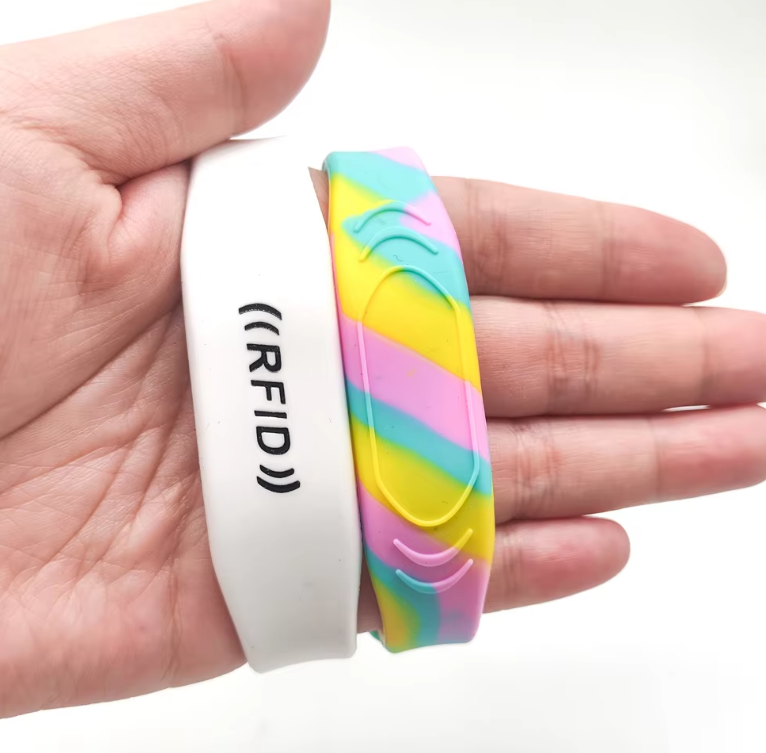
A wristband can be scanned, tightened, and forgotten in under three seconds. That speed matters when thousands of people arrive at once. Traditional ticket scanning requires handling, orientation, and sometimes a separate ID check. Wristbands with RFID or NFC chips can be read from a short distance, which means attendees keep moving. At a 15,000-capacity venue, a well-run wristband lane can process 40 to 50 people per minute. A paper ticket lane typically handles 15 to 20. That difference compounds over an evening. Fewer bottlenecks mean less security pressure and a better first impression. The technology is not magic, though. Poorly placed readers or cheap chips can cause read failures, especially if the wristband is bent or covered by a sleeve. The key is matching the wristband type to the event environment. A muddy festival needs a different closure than an indoor conference.
Durability and Security Features That Tickets Cannot Match
Paper tickets are easy to counterfeit. A decent color printer and a template from the internet can fool a distracted volunteer. Event wristbands raise the bar. Many models use tamper-evident closures, sequential numbering, and embedded holograms. Once fastened, they cannot be removed without cutting the band. That single feature prevents the classic pass-back scam, where one ticket gets handed through a fence to a second person. For multi-day events, wristbands also eliminate the need for re-entry stamps or lanyards. A 2022 report from the Event Safety Alliance noted that access control failures account for nearly 18% of crowd-related incidents at temporary events. Wristbands do not solve every problem, but they close a major loophole. They also make it easier for staff to spot someone who should not be in a restricted area.
Data, Access Control, and Real-Time Crowd Insights
A wristband can be more than a pass. With RFID, it becomes a data point. Organizers can track which zones are crowded, how long people stay, and which vendors get traffic. That information helps with staffing and safety. For example, if a wristband scan shows 80% of attendees clustered near one stage, security can redirect flow before a crush develops. The same system can restrict access to VIP areas or backstage. Paper tickets cannot do that without manual checks. The trade-off is complexity. RFID systems require readers, software, and training. For a small community fair, that overhead may not pay off. For a larger event with multiple zones, the operational visibility is worth the setup. The table below compares the two options on key operational metrics.
|
Feature |
Paper Tickets |
Event Wristbands |
|
Entry speed (people per minute) |
15 to 20 |
40 to 50 |
|
Weather resistance |
Low |
High |
|
Counterfeit resistance |
Low |
Medium to High |
|
Re-entry capability |
Stamps or lanyards |
Built-in |
|
Data collection |
None |
RFID or NFC optional |
|
Unit cost |
$0.10 to $0.50 |
$0.80 to $3.00 |
When Wristbands Might Not Be the Best Fit
Honesty matters here. Event wristbands are not the right call for every gathering. A one-night lecture with 50 attendees does not need RFID. A free community picnic with no access control can use simple paper handouts. Wristbands also require planning. They need to be ordered weeks in advance, and custom printing adds lead time. If the event date is less than two weeks away, paper might be the only realistic option. There is also the issue of sizing. Children and adults have different wrist sizes, so a single band does not fit everyone comfortably. Adjustable options exist, but they cost more. The decision should be based on crowd size, event duration, and security needs, not on trendiness. For a small charity run with 200 participants, a basic Tyvek band might be enough. For a three-day electronic music festival with 30,000 people, RFID is almost mandatory.
Making the Switch Without Breaking the Budget
Switching from tickets to wristbands does not have to be an all-or-nothing upgrade. Many organizers start with basic Tyvek or vinyl wristbands for general admission and reserve RFID for VIP or multi-day passes. That hybrid approach keeps costs down while improving security where it matters most. Bulk ordering helps, too. A 10,000-unit order typically cuts the per-unit price by 30% to 40% compared to a 1,000-unit order. Working with a manufacturer that understands event logistics can also reduce waste. For example, Vibbon has been producing identification wristbands since 2007, with in-house printing and material sourcing that helps organizers avoid last-minute shortages. The company's experience with both medical and entertainment wristbands means it knows how to balance durability with comfort. A well-planned wristband strategy pays for itself through faster entry, less fraud, and better data.