
RFID wristbands look like normal fabric or silicone bands, but they contain a tiny chip inside. That chip can be read by a scanner from a few inches away. This technology has completely changed how big events are run. From cashless payments to real time crowd tracking, RFID wristbands do things that paper tickets could never do. Let us look at the most important uses.
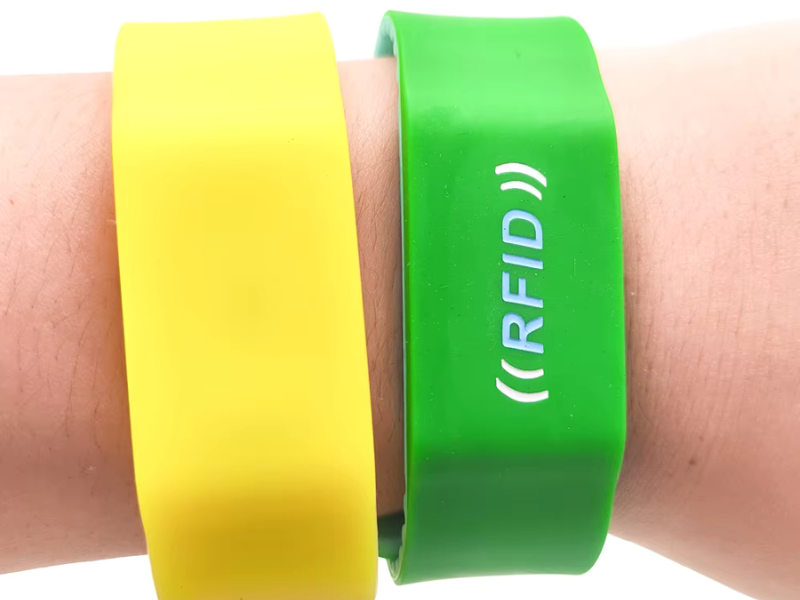
The number one use of RFID wristbands at events is cashless payments. Instead of pulling out a wallet or a phone, an attendee just taps their wrist against a payment terminal. The terminal deducts the amount from a pre loaded balance or charges a linked credit card. This process takes less than a second. Bars, food trucks, and merchandise booths can serve three times as many customers per hour. Event organizers love it because people tend to spend more money when paying is this easy. No more fumbling for change or waiting for a card chip to read.
Another key use is entry management. With RFID wristbands, attendees walk through a gate with a sensor panel. They do not need to stop or show anything. The sensor reads their band from a distance and opens the gate automatically. This is perfect for large festivals where thousands of people arrive every hour. The system can also be programmed to block access to certain areas. For example, only VIP wristbands will open the gate to the backstage lounge. The whole process feels smooth and almost magical.
Event organizers can use RFID wristbands to see where people are at any given moment. The scanners record every tap and every entry. Software then builds a heat map of the event grounds. If one stage area becomes too crowded, organizers can close the entrance for a while or send a message to attendees‘ phones. This prevents dangerous situations like crushing or trampling. It also helps food vendors know where to send their mobile carts. Real time data from RFID wristbands makes events safer and more efficient.
Ticket fraud is a huge problem for popular events. Fake tickets and duplicate barcodes can ruin a person‘s night. RFID wristbands make fraud almost impossible. Each chip has a unique digital ID that is very hard to copy. When a band is scanned at the entrance, the system checks if that ID has already been used. If someone tries to come in with a copied band, the scanner will reject it. Also, because the band is locked on the wrist, it cannot be sold to another person after entry. This eliminates the scalper market outside the gate.
Some advanced events link RFID wristbands to photo and video experiences. When an attendee walks past a special camera, the camera reads their wristband and automatically uploads their picture to a personal online gallery. They can then share the photo on social media with a single click. This creates great free marketing for the event. Every shared photo includes the event logo and date. Attendees love getting professional photos without having to wait in line to buy them. It is a win win for both sides.
Finally, RFID wristbands help organizers learn more about their audience. The system records which booths people visited, how long they stayed, and what they bought. This data is gold for planning future events. You can see which food items were most popular or which speaker drew the biggest crowd. Sponsors also love this data because they can measure exactly how many people engaged with their brand. Over time, organizers can use this information to improve everything from layout to scheduling. That is the smartest use of RFID wristbands.


