
Switching from paper tickets to those fancy RFID/NFC wristbands has really transformed how festivals handle security these days. Back when staff had to check paper manually, people would wait forever at gates sometimes over 30 minutes during big events. And let's face it, fake tickets were a huge problem too. According to the Event Security Benchmark Report, around 12% of all gate fraud cases in 2023 involved counterfeit paper passes. The new wristbands have built-in chips that can't be tampered with much. They verify entry in less than half a second thanks to those constantly changing encryption keys that refresh every hour. That means places like Coachella can now get through their massive crowds of over 125,000 fans in just three hours flat something impossible back in the day when everyone was waving around paper tickets.
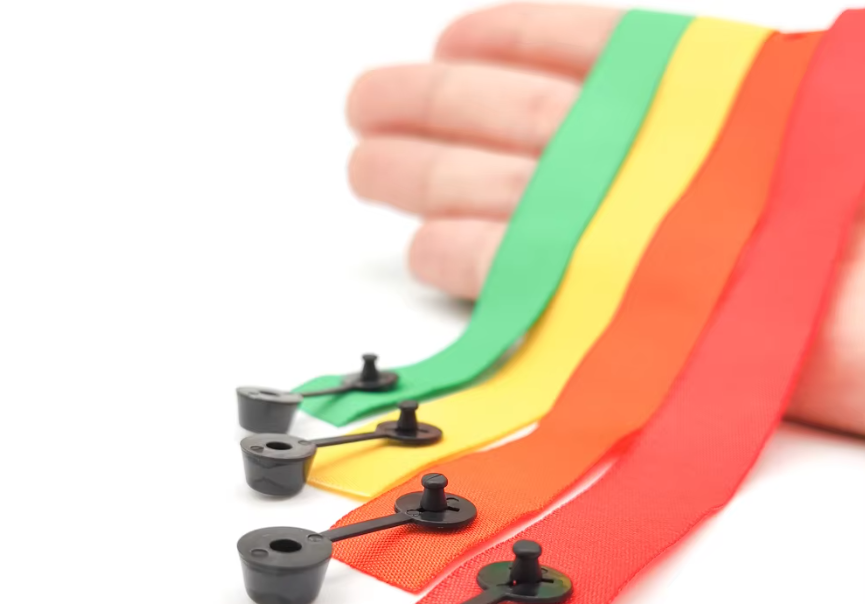
Modern wristbands aren't just ID tags anymore but actual security systems working behind the scenes with multiple layers of protection happening right now. When scanned, they check against a central system almost immediately spotting any problems like expired badges, copies, or people showing up where they shouldn't be. What makes them so good at stopping fraud? Well, there's this special ink that turns red and shows "VOID" if someone tries to take the band off. They also refresh their security code every hour automatically. Plus, certain areas like backstage are locked down through location tracking technology. The numbers speak for themselves too. At big music festivals across Europe last year, these smart wristbands cut fake ticket incidents down to nearly nothing. Before this tech existed, events were losing around seven hundred forty thousand dollars each year due to fraud according to research from Ponemon Institute. So having instant verification isn't just about safety anymore it's becoming essential for keeping money in the right pockets.
These festival wristbands actually turn cash into digital tokens right there on the band itself, making those tiny purchases at food stalls and merch stands way faster than regular cash transactions. EventTech 2023 found vendors could process payments about half as fast when using these things compared to counting bills. Another big plus? No need for people to hand over money face-to-face, which matters a lot at crowded events where germs spread easily. The system automatically tracks sales everywhere across the venue too. Festival Management Report 2022 says this cuts down mistakes in the books by around 30%. Merchants get their sales reports instantly after the event wraps up, and fans just tap and go without digging through pockets for loose change or fumbling with phone apps during the show.
Most big music festivals across the United States have moved to cashless systems these days. According to EventMB's latest report from 2023, about 74% of major events now use this approach. Why? The numbers tell the story pretty clearly. When people don't have to count out cash, they tend to spend more at festivals. Studies show spending goes up anywhere from 20% to 35%. That happens because there's less mental resistance when paying digitally, and folks just grab things on impulse more easily. Plus, organizers save money too. Getting rid of all those cash handling fees, trucking money around in armored vehicles, and hiring staff to count bills cuts down expenses by roughly 15%, per the Festival Economics Journal from last year. So it makes sense why so many event planners see going cashless as essential if they want their festivals to stay profitable long term.
What materials we pick makes a big difference in how things perform, what people think about them, and their environmental impact. Tyvek that resists tearing works great for temporary use and lets RFID and NFC signals pass through consistently. Fabrics made from recycled plastic bottles cut down on landfill trash by around 40 percent compared to regular vinyl according to EventTech research last year. Silicone bands can be reused at festivals lasting several years, though getting the right thickness matters if we want scans to work reliably about 98 times out of 100. Recent surveys show most eventgoers care about sustainability these days too. One poll from Michigan Mama News revealed that nearly seven out of ten people actually prefer events that use eco-friendly wristbands. This has led many organizers to switch to bamboo sliders and biodegradable beads as decorations, all while making sure they still work well with scanners across the entire spectrum.
When it comes to event wristbands, security just won't work without comfort being part of the equation too. Festivals that implemented multiple security layers saw a massive 75% reduction in fake tickets according to Festival Insights data from last year. The tech involved includes things like holograms on surfaces, closure systems that show if someone has tampered with them, and hidden digital signatures inside each band. For people wearing these all day long, comfort matters just as much. Materials like breathable Tyvek fabric and those special wicking materials really cut down on skin problems after hours of wearing. And let's not forget about the medical grade silicone stuff which doesn't irritate most skin types, making bands accessible to more folks. These days top makers are putting real thought into how bands fit on different wrist sizes and shapes. They've designed contoured edges and adjustable straps that actually work. This approach cuts down on people trying to remove or swap bands illegally by around two thirds. At the end of the day, when attendees feel good wearing their bands, they become something people trust and want to keep on throughout the whole festival experience.
Festivals around the world are showing just how much wristbands can change things when put to good use. Take Bonnaroo for instance their gradual introduction of RFID wristbands slashed wait times at entrances by about 40%, plus gave organizers instant insights into where crowds were forming throughout the day. This step-by-step approach kept everything running smoothly during implementation. Over in Austria at Electric Love, adding payment features directly onto wristbands led to a nice boost in food sales too attendees spent roughly 22% more money on concessions once they didn't have to deal with cash anymore. Then there's Paradise Festival with their eco-friendly wristband project made from plants and backed up with clear info about where materials came from. Attendees rated their experience significantly better after that change, scoring 18 points higher overall. Looking at these examples, three main things stand out first, tech needs to be added piece by piece rather than all at once second, systems behind the scenes must handle massive transaction volumes quickly third, materials matter a lot but shouldn't compromise scanning accuracy. For event planners thinking ahead, going with platforms built around APIs makes sense because it brings together entry checks, payments, and ways to engage fans all under one roof that grows as needed.


