
Elastic wristbands provide adjustable compression that helps stabilize the wrist joint when moving in multiple directions, all while still allowing normal bending, straightening, and twisting movements. These aren't your typical stiff braces though. With a stretch range between about 15% to maybe even 40%, they can handle pretty much any movement someone throws at them whether it's swinging kettlebells around or transitioning through yoga poses. The gradual pressure spreads out the force across the tendons and ligaments in the wrist area, which means less strain on those tissues during quick bursts of activity or repeated motions over time. What makes these bands really stand out is how they strike just the right balance between giving support where needed and letting the wrist move naturally. This actually improves awareness of where the wrist is positioned in space, making it easier to maintain good control during tasks that require fine motor skills like typing or playing an instrument.
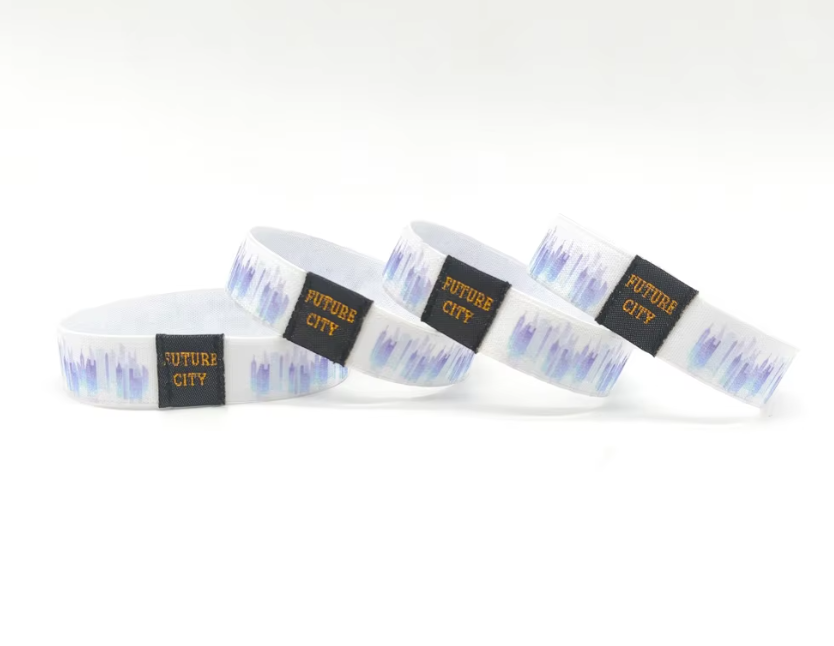
Research from 2023 in the Journal of Strength & Conditioning shows that elastic wrist supports can actually cut muscle activation levels by around 22% when doing those repetitive pulling movements like deadlifts or rows. What happens is these supports reduce vibrations going through the wrist joints. When there's less vibration, the forearm muscles don't get as tired because their metabolic stress drops. People find they can do about 18% more reps before their form starts breaking down. Another benefit? The way these supports redistribute pressure takes some of the strain off the tiny bones in the wrist area during intense training sessions, which helps prevent those annoying overuse injuries we all want to avoid. Athletes who've tried them notice significantly less soreness after workouts involving pull-ups or carrying heavy weights. One gym goer mentioned feeling about 40% better afterward compared to regular training days without support.
Elastic wristbands designed for high performance rely on special moisture wicking fabrics that actually pull sweat away from the skin through capillary action. This helps speed up evaporation and keeps body temperature more stable during intense workouts. Studies on textile performance show these materials cut down on skin irritation caused by friction by around 70%, which makes a big difference for long training sessions. Plus, they help prevent bacteria buildup so people can train longer without discomfort. When it comes to grip security, athletes report about 30% less slippage while doing kettlebell swings or pull ups compared to regular cotton bands. This means better control and fewer interruptions during critical parts of their workout routines.
Wrist supports work best when they stretch between 15 to 40 percent. This range gives just enough tension to keep tendons stable and improve body awareness during repeated movements, without cutting off circulation or restricting normal joint movement. High quality bands made from medical grade synthetic materials can bounce back over 95% of their original shape even after being stretched hundreds of times, which means they don't lose effectiveness like cheaper alternatives do over time. Fitness professionals have noticed something interesting too: bands that maintain this kind of elastic performance actually help reduce inflammation after workouts by around a quarter. That makes them valuable not just for immediate comfort but also for helping muscles and joints recover properly in the long run.
Elastic wristbands help transfer force better during weight training because they stabilize the wrist joint without stopping normal movement. The compression these bands provide actually makes our body's sense of position sharper, which means lifts become more efficient and the bar moves along a straighter path when doing exercises like deadlifts, rows, and overhead presses. According to research published in the Journal of Strength & Conditioning last year, people who used this kind of support experienced about 18% less grip fatigue during pulling motions. That lets them train longer before their form breaks down, plus it helps protect against those annoying tendon issues that often come from repeated strain over time.
Elastic wristbands have become pretty popular in HIIT workouts and functional training sessions because they help manage those awkward forces on the wrists when doing all sorts of fast movements across different planes. Think about exercises like burpees, kettlebell swings or jumping onto boxes where wrists get stressed real quick. These bands keep wrists in a more natural position which cuts down on the chance of overextending them during advanced moves like handstands or planche holds. That means less pressure builds up on the lower part of the radius bone that can lead to stress fractures over time. A study published last year in Sports Medicine Review found that folks who wore these compression supports showed around 22% improvement in how well their joints held up through explosive movements. What makes these bands special is how they stretch and bounce back during twisting motions required for things like medicine ball slams. They provide good support without restricting normal wrist movement, so trainees don't feel limited but still stay protected.
Getting the most out of these bands while staying safe requires some basic guidelines. They need to sit tight on the wrist without cutting off blood flow. A good rule of thumb is when someone can slip a single finger underneath comfortably. Don't wear them nonstop for more than about eight hours during workouts. Go for materials that wick away sweat rather than cotton blends which hold moisture. Regular cleaning with just some gentle soap helps keep skin irritation at bay and prevents bacteria from building up over time. For intense activities such as boxing rounds or Olympic weightlifting movements where wrists take real punishment, it's better to skip the elastic stuff altogether since those situations often call for proper supportive braces instead. People dealing with issues like carpal tunnel flare ups or arthritic joints in their hands definitely need to talk to a physical therapist first before trying anything new. Compression that's too tight or improperly fitted might actually make existing problems worse by increasing inflammation. If there's any sign of red marks appearing, numb feelings spreading through fingers, or general discomfort setting in, stop using right away and seek professional advice.


