
Now, wristbands are becoming more advanced. Instead, they use computers and can pay, store and grant access to places. This means a lot of questions concerning data storage. If you have the data, how do you store it so it is organized and safe? This is a serious question and can be tedious to answer. When you know how to do it, the process becomes easier. I'm going to walk you through the process.
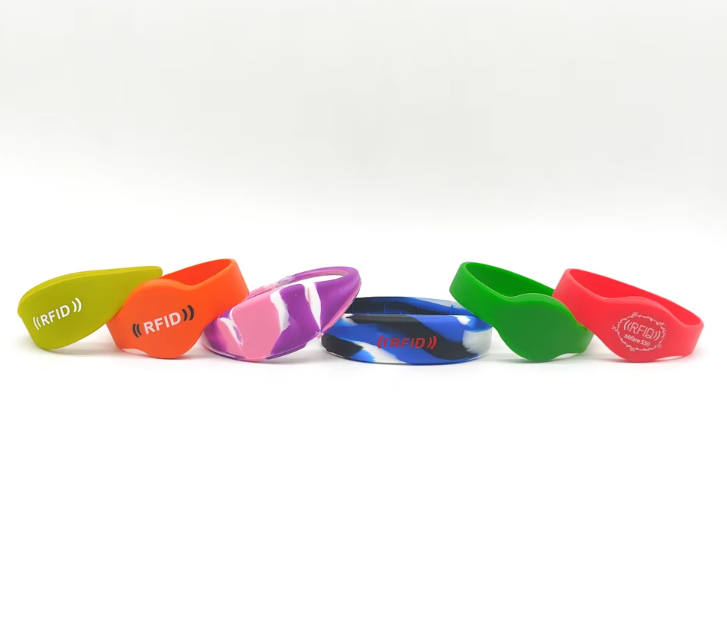
Before ordering the wristbands, you need to clarify what data you need to collect. For a music festival, you may need a unique ID number linked to a ticket. A hospital may need a patient name, blood type, and allergies. A gym may need to know membership status and access level. Collecting data just because you can, can create issues. Each additional data point requires management and protection. Ask yourself: what is the minimum data required to make the wristband work for its purpose? This is your baseline.
RFID chips are highly variable. Different frequencies and read ranges are some of their attributes. Low-Frequency (LF) chips are typically used for access controls. High-Frequency (HF) chips, also known as Near Field Communication (NFC) chips, are suitable for tap-and-go payment systems. Ultra-High-Frequency (UHF) chips are read at a distance and are suitable for fast scanning of large crowds. Your choice of the chip defines the ways you can interact with it as well as the types and amount of data the chip can store. Experienced manufacturers, such as Vibbon, which has been in the wristband business since 2007, can guide you to the right technology. Getting the technology choice right improves data management as you won't need to make adjustments later.
Before you ship out the wristbands, you need to encode them. There are many options here, and plenty of systems you could implement. Will you assign wristbands unique codes before you ship them out, or will you do so on-site at registration? At large events, most people prefer the pre-encoding option. You would do this by associating a unique identifier of the wristband to a ticket or registration entry in the database. When a patron arrives at the event, you just have to scan them in. This system is quick and saves more time than doing onsite registration. Proper planning eliminates rushed chaos. Ensure you and your supplier make sure everything integrates.
Your data management system's core element is the database, a safe place to keep records. Depending on your data access and security needs, the system can either be cloud based or located on a data server. This is where you tie wristband IDs to the users and their access credentials. For example, does the wristband allow access to VIP areas or has it been loaded with spending credits for food and drinks? The database needs to be equipped with the ability to manage thousands of queries and records to be saved every minute to avoid system failures. The database also needs to be fully stable and usable throughout the duration of the incident. Informational database loss would be the most significant data loss of the event. This is basically the brain of your system.
The whole purpose of RFID technology is for it to be fast and easy to use. You don't want long lines for people to enter, and for people to keep getting held up because the scanner struggles to read the bands. Have enough scanning locations set up at entry gates, bars, and merchandise stands. Test the scanners before the event to make sure the readers can read the bands quickly and at the correct distance. Make sure your staff is trained. If scanning fails, your staff should know how to fix the issue. If scanning is easy and fast, it shows the attendees your event is technology advanced. If the scanning is delayed, it shows the opposite.
With RFID technology, you're not just collecting data for future reference, you're able to see live data streams. Real-time dashboards display event-goers' spending, crowd levels, and foot traffic to different areas. The main stage may be too crowded, and event organizers can send attendees a message to check out a different stage. If a bar/vendor is running low of stock and stops selling, you will be able to see that through the slow spending data. Real-time data enables you to make important adaptive changes, giving your event a responsive quality.
This is a must. You have to be responsible with sensitive information. Data collected from wristbands and databases must be encrypted, and the systems accessible from outside must be protected from outside intruders. If users' personal information will be collected, users must be notified clearly. A privacy policy must be visible. When organizing events, collecting home addresses is rarely necessary. Instead, an ID can be assigned, and thus, less sensitive information is collected. The protection of personal data builds trust. Users will appreciate the data safety of the wristbands more the more responsible you are.
What will you do with all the data after the event ends? How long do you need to keep the data? Access logs from a one-day festival can be deleted within a week. However, for membership data from a gym, you will need to keep that active. Have a clear data retention policy and securely delete data that you do not need anymore. It is good practice to do this, and in many places, it is the law. Also think about the wristbands. Are they reusable? If they are, you can wipe the data and re-encode them to be used for the next event. This is more cost effective. A partner that knows the product's full lifecycle can give you good advice.
Your next event will absolutely benefit from the knowledge gained from the data analysis. Numbers reveal valuable insights regarding the event such as total participation, bar usage, and the flow of traffic by the various attractions. Additional data will enhance the control of the balance of food and beverage and the staffing levels. The data from the RFID (Radio-frequency Identification) wristbands will benefit your future events by helping you to not repeat any of the mistakes made during the previous event.
For the unlocked value from the RFID (Radio-frequency Identification) wristbands to be realized, the event will require effective data collection. The effective collection of data will begin with the event planner establishing goals for the event. To enhance the event attendee's experience (and to ensure the event organizer demonstrates responsible collection of attendee data), the use of the proper technology is necessary. When the effective use of data collection is realized, the RFID (Radio-frequency Identification) wristbands will essentially become the most valuable and powerful part of the event, providing the organizer with never before insights, ensuring the safety of each attendee, and enhancing the overall operation of the event.


